This is about Jeremy Eveland Address: 8833 S Redwood Rd #A West Jordan UT 84088 Phone: 801-613-1472 Website: jeremyeveland.com
Perseverance has enabled me to navigate by means of hard challenges, advocate proficiently for my clientele, and continuously try for excellence even in the experience of setbacks.
On looking for our services, you acquire the aid of a talented Provo lawyer that is focused on shielding your assets. Underneath are examples of asset protection tactics:
In addition there are legal guidelines which allow a creditor to pierce the corporate veil of an entity and go once the homeowners to the debts on the entity.
We're not able to complete your ask for at the moment resulting from a method error. Remember to consider once again just after a couple of minutes.
While the aforementioned use of Trusts will be of benefit in a number of circumstances the query of possession can nevertheless occur, as Though legal ownership might are already transferred into the trustees, useful ownership should in several circumstances lie With all the settler of your Trust.
Based on SIPC, most broker-seller failures come about without securities lacking. Considering the fact that their inception around 50 yrs back, 99% of suitable traders obtained their investments back again from the unsuccessful brokerage companies situations that it has managed.
Prepaid funeral costs: Certain funeral costs, such as a burial plot, could be paid out for up front and so are not topic to seizure.
We work hard to help make Schwab a safe and safe place for your cash. Regardless of whether you keep securities like stocks, bonds, mutual cash, Trade traded funds, or income marketplace funds in a very Schwab brokerage account, or income deposits in a Schwab copyright, We have now your assets guarded.
Sights expressed are as on the day indicated, determined by the knowledge out there at that time, and could change depending on current market or other situations.
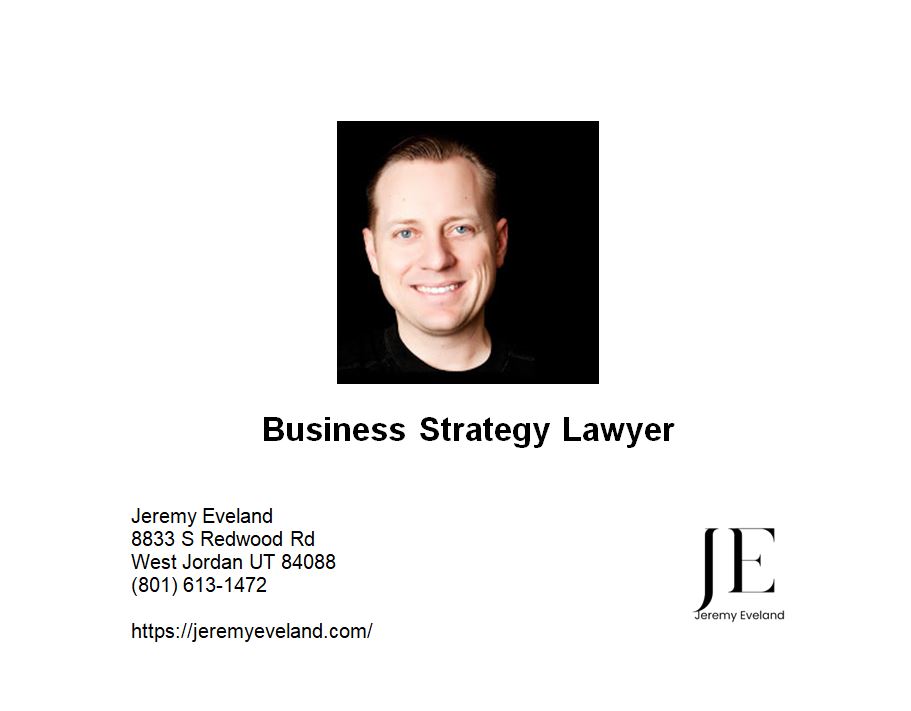
Jeremy Eveland is often a business lawyer and strategic marketing consultant for businesses and business owners in Utah. Jeremy signifies companies as well as their founders and proprietors to help them in strategic planning and consulting to aid them in going from wherever They may be to wherever they would like to be.
SIPC protections are activated in the unusual celebration that the broker-supplier fails (bankruptcy) and consumer assets are lacking as a result of fraud or other causes.
Except if usually observed, the opinions offered are All those with the speaker or author rather than essentially those of Fidelity Investments or its affiliates. Fidelity isn't going to assume any responsibility to update any of the information.
Asset preservation stands as one of many cornerstones of Jeremy’s exercise. For numerous business people, their business signifies years of labor and financial commitment, both of those emotional and financial, and making certain its assets are guarded during succession is paramount.
Jeremy excels at mediating discussions between get-togethers with unique pursuits, facilitating negotiations so All people feels listened to however remains aligned to widespread targets.
This is about Jeremy Eveland Address: 8833 S Redwood Rd #A West Jordan UT 84088 Phone: 801-613-1472 Website: jeremyeveland.com
copyright content="llc lawyer near me" name="description" />
- contenteditable="false">Home
- href="#resources-images" contenteditable="false">Resources
- href="#essential-links" contenteditable="false">Links
- href="#highlights" contenteditable="false">Highlights
- href="#contact-us">Contact Us
llc lawyer near me
target="_blank"
href="https://drive.google.com/drive/folders/1ukiZCGJLLGxNPIlmf9fhEf2z9y32Bl-u">Contact Us
Utah Business Operating Agreements
Opening Summary
A Utah business operating agreement is the internal legal document that governs how your LLC operates. It defines member ownership, voting rights, profit distribution, management structure, and what happens when a member leaves or the business dissolves. While Utah law does not require a written operating agreement, skipping one is one of the costliest mistakes a Utah LLC owner can make. Without it, your business defaults to the rules set by the Utah Revised Uniform Limited Liability Company Act (Utah Code Title 48, Chapter 3a), which may not reflect what you and your partners actually intended. This article covers what a Utah operating agreement includes, the most common mistakes owners make, and why working with an experienced attorney helps you build a solid foundation from day one.
What Is a Utah Business Operating Agreement and How Does It Work?
A business operating agreement is a legally binding contract among the members of a Utah LLC. It controls the internal rules of your company, separate from the Certificate of Organization you file with the state. Utah Code Section 48-3a-112 confirms that the operating agreement governs member relations, management duties, company activities, and amendment procedures.^1
Utah's LLC Act even allows oral operating agreements, meaning an undocumented verbal understanding between partners can become legally binding, which creates serious risks if there is ever a dispute.^2
Key components every Utah operating agreement should address:
- Member ownership percentages and capital contributions
- Voting rights and decision-making authority
- Profit, loss, and distribution allocations
- Management structure (member-managed vs. manager-managed)
- Procedures for adding or removing members
- Buy-sell and ownership transfer terms
- Dissolution procedures
The document does not need to be filed with Utah's Division of Corporations and Commercial Code (DCCC). However, it should be signed by all members, kept with your business records, and reviewed any time your company structure changes.^3
5 Critical Things to Know About Utah Business Operating Agreements
Default State Rules Apply Without One
If your Utah LLC has no written operating agreement, or if the agreement is silent on a topic, Utah's default statutory rules take over automatically. One significant default: voting is allocated equally per member, regardless of ownership percentage. So even if one member contributed 90% of the capital, that member gets the same vote as a member who contributed 10%. A tailored operating agreement prevents this outcome entirely.^2
Fiduciary Duties Can Be Modified
Utah's LLC Act allows members to expand, restrict, or even eliminate certain fiduciary duties through the operating agreement, with one exception: the duty of good faith and fair dealing cannot be waived. This flexibility is valuable in investor relationships or multi-tier ownership structures. However, improperly drafted duty waivers can expose your company to legal challenges, making precise legal drafting critical for Utah LLCs with complex ownership arrangements.^4
Ownership Transitions Must Be Addressed
Members retire, pass away, or decide to sell. Without a buy-sell provision in your Utah operating agreement, a departing member's interest could end up in the hands of an outside party, or worse, require a court-ordered appraisal to value the business. Utah businesses that include clear valuation formulas and buyout mechanics in their operating agreements avoid costly and disruptive litigation when ownership transitions occur.^4
Profit and Loss Allocation Rules
Utah law permits flexible allocation of profits and losses, but the operating agreement must specify those terms clearly. Many Utah LLC owners assume profits split proportionally with ownership, but that is only true if the agreement says so, or if you rely on default rules. You can structure preferred distributions, guaranteed payments to managing members, or tiered allocations for investors, but all of it must be written into the agreement.^5
Amendment and Voting Procedures
Your operating agreement should specify exactly how it can be amended, and who must approve changes. Without this, a simple majority of members could unilaterally alter the company's foundational rules. Utah Code Section 48-3a-114 permits the agreement to require approval from parties outside the LLC, such as lenders or investors, before amendments take effect. Locking down amendment rules protects all members equally.^6
The Real Cost and Impact of Getting It Wrong
The financial and personal consequences of a poorly drafted, or missing, Utah operating agreement are significant. Disputed profit distributions can result in litigation costing thousands to tens of thousands of dollars. If a member dies without a buyout clause, the LLC can face forced dissolution or an unwanted new co-owner. Court proceedings in Utah to resolve member disputes are time-consuming and emotionally draining. Beyond money, business relationships break down permanently. Nearly all of these outcomes are preventable with a properly drafted operating agreement created at the time the LLC is formed. Investing in expert legal guidance upfront in Utah is a fraction of the cost of cleaning up the mess later.
How an Experienced Attorney Helps You Succeed With a Utah Operating Agreement
Drafting a Utah business operating agreement is not a task best handled with a generic online template. An experienced attorney understands Utah-specific statutes, local business practices, and how Utah courts interpret LLC disputes. Attorney Jeremy Eveland (801) 613-1472 serves clients throughout Utah and provides practical, tailored guidance for LLCs at every stage: from startup formation to complex multi-member restructuring. With proper legal support, you get an operating agreement that reflects your actual intentions, complies with Utah law, addresses tax implications, and holds up if it is ever tested in court. Proactive legal guidance is the smartest investment a Utah LLC owner can make.
Common Mistakes People Make With Utah Business Operating Agreements
- Using a generic template without customization: Free templates rarely address Utah-specific statutes or the nuances of your specific business structure, leaving dangerous gaps.
- Skipping the agreement entirely: Many sole-member Utah LLCs assume they do not need one. They do. It protects the liability shield and clarifies how the business operates.
- Not updating the agreement after major changes: Adding a new partner, changing management structure, or taking on an investor all require agreement updates. Outdated agreements create conflicts.
- Failing to address member exit scenarios: No buyout clause is one of the most common and most expensive oversights Utah LLC owners make.
- Relying on verbal agreements: Utah's LLC Act permits oral operating agreements, meaning a casual conversation can become a legally enforceable commitment. Always get it in writing.
Frequently Asked Questions
Does Utah require an LLC to have an operating agreement?
Utah does not legally require a written operating agreement, but it is strongly recommended. Without one, your LLC is governed entirely by the default rules in the Utah Revised Uniform Limited Liability Company Act (Utah Code Title 48, Chapter 3a). Those default rules may not reflect your intentions, especially regarding voting rights and profit distributions. Most Utah attorneys consider a written operating agreement essential for any LLC.
Does a Utah operating agreement need to be filed with the state?
No. Utah operating agreements are internal documents and are not filed with the Utah Division of Corporations and Commercial Code. You should keep the signed original with your business records. Some banks and lenders may request a copy when you open a business account or seek financing, so having an organized, professional document readily available is important.^3
Can a Utah LLC have an oral operating agreement?
Yes, and this is a key risk under the Utah Revised Uniform Limited Liability Company Act. The Act permits oral or implied operating agreements, which means an informal conversation between members could legally bind the LLC. To avoid unintended obligations, your written operating agreement should explicitly state that it is the sole and exclusive operating agreement for the company.^2
What happens if members disagree and there is no operating agreement?
Disputes without a written operating agreement are resolved under Utah's default statutory rules, which may not favor any particular member. Resolution often requires negotiation, mediation, or Utah state court litigation, which is expensive and time-consuming. A properly drafted operating agreement that includes a dispute-resolution clause, such as arbitration in a Utah county of your choice, can prevent most disputes from ever reaching a courtroom.^4
How often should a Utah LLC update its operating agreement?
You should review your Utah business operating agreement any time a significant change occurs: adding or removing a member, changing management structure, taking on investors, or significantly expanding the business. At a minimum, an annual review is a good practice. Changes must be made following the amendment procedures spelled out in the existing agreement, which is one reason those procedures should be carefully drafted from the start.
Key Utah Laws You Should Know
The governing statute for Utah LLC operating agreements is the Utah Revised Uniform Limited Liability Company Act, found at Utah Code Title 48, Chapter 3a. Key sections include 48-3a-112 (scope and function of operating agreements), 48-3a-113 (effect on the LLC and members), and 48-3a-114 (effect on third parties and filed records). The Utah Division of Corporations and Commercial Code oversees LLC formation in the state. Utah's Act is based on the national Revised Uniform Limited Liability Company Act, but with state-specific modifications that make local legal guidance especially important.^1
Next Steps
A Utah business operating agreement is the legal backbone of your LLC. It protects your ownership interest, prevents costly disputes, and ensures your company runs the way you intend, not by default statutory rules you may never have read. Whether you are forming a new Utah LLC or operating without a written agreement right now, taking action is the right move. Most problems that arise from poorly drafted or missing operating agreements are completely avoidable with professional guidance.
Ready to protect your Utah LLC with a properly drafted operating agreement? Contact attorney Jeremy Eveland at (801) 613-1472 today. He serves clients throughout Utah and can help you build a solid legal foundation for your business. ^10^12^14^7^9
Jeremy Eveland 8833 S Redwood Rd #A West Jordan UT 84088 (801) 613-1472 https://jeremyeveland.com
Resources
Comments on “Detailed Notes on Flat Rate Estate Plan”